


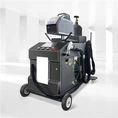
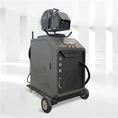

Precautions When Operating a Laser Welding Machine
Operating a laser welding machine requires strict adherence to safety protocols to protect both personnel and equipment while ensuring high-quality welds. Below are the key precautions:
1. Safety Protection
Wear Protective Gear:
- Laser safety goggles (specific to the laser wavelength to prevent eye damage).
- Heat-resistant gloves (to protect against hot metal spatter).
- Flame-retardant clothing (to avoid ignition from sparks or reflected laser beams).
- Face shield or protective screen (to block metal fumes and intense light).
Work Environment Safety:
- Ensure proper ventilation to avoid accumulation of hazardous fumes (especially when welding aluminum, zinc, etc.).
- Remove flammable materials (e.g., oils, paper) and keep fire extinguishers nearby.
- Display laser warning signs and restrict access to unauthorized personnel.
2. Equipment Inspection & Setup
Pre-Operation Checks:
- Verify that the cooling system (water/air) is functioning to prevent laser overheating.
- Inspect optical lenses (focusing/reflective mirrors) for cleanliness; contamination can reduce performance or damage the laser.
- Ensure shielding gas (e.g., argon, nitrogen) is at the correct pressure to prevent weld oxidation.
Parameter Adjustment:
- Set power, pulse frequency, and welding speed based on material type (e.g., stainless steel, aluminum) and thickness.
- Perform test welds to check penetration and weld quality before full operation.
3. Operational Guidelines
Workpiece Preparation:
- Clean welding surfaces (remove oil, oxide layers) to prevent porosity or cracks.
- Ensure tight joint fit-up; excessive gaps may cause burn-through or weak welds.
During Welding:
- Maintain a perpendicular laser beam alignment for consistent energy focus.
- Control welding speed-too fast leads to incomplete fusion, too slow may cause material burn-through.
- Never look directly at the laser or reflections**, even with protective glasses.
4. Emergency Procedures
Equipment Malfunction: If alarms (e.g., cooling failure) trigger, shut down immediately and contact technicians.
Fire Hazard: Use a CO₂ fire extinguisher (never water or foam) if material ignites.
Injury Response: If skin/eyes are exposed to laser radiation, seek medical help and report the incident.
5. Maintenance & Care
Routine Maintenance:
- Clean optical lenses regularly (use anhydrous ethanol and lint-free wipes).
- Inspect fiber optics/laser path for wear or misalignment.
Long-Term Storage:
- Drain cooling systems to prevent scaling/corrosion.
- Cover the machine to protect against dust and humidity.
Key Takeaways
The primary risks of laser welding are high-energy radiation and hot metal spatter. Always follow safety procedures, maintain equipment, and optimize settings for different materials. Beginners should operate under expert supervision.
---------Victor Feng