


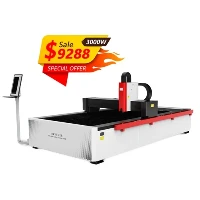
Safety Precautions for Using Laser Cutting Machine
1. Introduction
Laser cutting machines have revolutionized the manufacturing industry by offering high precision and speed. However, the use of lasers for cutting also poses some risks to the operators. The following safety precautions should be taken into consideration when operating a laser cutting machine.
2. Familiarize Yourself with the Equipment
It is important to know your machine's capabilities, as well as its limitations. This will help you work more efficiently and safely. Be familiar with the machine's operation manual, and ensure that you have a clear understanding of its various components, functions, and controls. Always read the manufacturer's safety instructions before using the machine.
3. Eye Protection
The primary hazard associated with the use of laser cutters is exposure to the laser beam. Laser beams can cause permanent eye damage, which is why eye protection is critical. Operators must wear appropriate eye protection that is designed for laser work. Safety glasses that meet the ANSI Z87.1 standard for eye protection may be recommended, but they may not be sufficient. Laser-specific eye protection, such as goggles or lenses, should be used.
4. Fire Protection
Laser cutting machines generate a lot of heat, and this can cause fires. It is important to have fire detection and suppression measures in place. Operators must ensure that the workspace is clean and free of any flammable debris. Operators should not operate the machine without a fire extinguisher nearby. Moreover, the laser cutter should be equipped with sensors that can detect smoke or flame. The sensors should shut off the laser cutter and the ventilation system in such circumstances automatically.
5. Ventilation
Laser cutters generate fumes and smoke, which can be harmful to the operator's health. A well-designed ventilation system can help reduce the amount of fumes in the workplace. Operators should ensure that the ventilation system is turned on while working. Ensure that the ventilation system is cleaned regularly to prevent toxic fumes from being redistributed in the workplace.
6. Regulatory Compliance
Laser cutting machines operators should carry out their activities in compliance with local and national regulations and standards. They should also ensure that the machines are regularly maintained, to avoid hazardous situations.
7. Proper Clothing
While working with a laser cutter, operators should wear proper clothing. Synthetic materials such as nylon and polyester melt quickly when exposed to the laser beam. Conversely, natural materials such as cotton and wool are less likely to melt. Operators should wear protective clothing made from natural fibers. They should avoid loose clothing or anything that could be caught in moving parts of the machine.
8. Electrical Safety
Laser cutters use high voltage power sources. Operators must ensure that the laser cutter is properly grounded to prevent electrical shocks. They should also avoid using extension cords and maintain the machine's cords in good condition to avoid electrical hazards.
9. Emergency Protocols
Laser cutters are machines that can pose critical risks, and should be treated as such. Operators should be aware of and follow the manufacturer's protocols in case of an emergency. They should notify the emergency team in case of hazardous situations. The operator should also be trained to administer first aid.
10. Conclusion
In conclusion, laser cutting machines have made significant strides in precision cutting and increased production speed, making them essential in modern manufacturing. However, it is essential to be mindful of the various risks associated with their use. Operators should take the necessary precautions to ensure that they and their coworkers are not at risk. Safety should always take top priority while using laser cutting machines.

Safety Precautions For Using Laser Cutting Machine
May 16, 2023 Leave a message
Send Inquiry