




Introduction
Microfabrication tool and mold making is a critical process in the manufacturing industry. It involves the creation of precise and accurate tools and molds that are used in the production of various products. Precision and accuracy are essential factors in this process, and the use of advanced technology is crucial in achieving these attributes. In recent years, laser marking machines have become preferred tools for microfabrication tool and mold making. The objective of this essay is to discuss the application of laser marking machines in microfabrication tool and mold making.
Background
Microfabrication tool and mold making involves the creation of tools and molds that are often used in the manufacturing of small, intricate components. The process involves precision and accuracy to ensure that the tools and molds produced are of high quality and can be used in mass manufacturing. The production of these tools and molds requires a range of techniques, including cutting, etching, and marking. In the past, traditional marking methods such as engraving, stamping, and chemical etching were used. However, these methods had limitations, including the difficulty in producing fine details and high production costs.
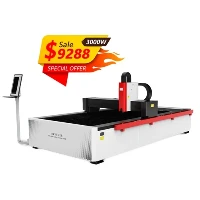
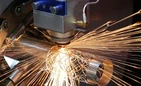
Laser marking machines have been developed as an alternative to traditional marking methods. These machines offer a more effective and efficient method for creating tools and molds, and producing unique identification markings. They use lasers to etch or ablate the surface of a material, creating a permanent mark, through the use of a focused beam of light that emits heat. They can be used on several materials, including carbon steel, stainless steel, aluminum alloy, copper, and plastics.
Applications of laser marking machines in microfabrication tool and mold making
Laser marking machines offer several advantages over traditional marking methods, making them ideal for microfabrication tool and mold making. Some of the applications of laser marking machines in microfabrication tool and mold making include:
1. Identification marking
Identification marking is an essential process in manufacturing, and laser marking machines offer a more efficient and effective way to achieve this. Identification marks include serial numbers, logos, and barcodes, among others. Laser marking machines use lasers to create permanent marks on the surface of a material. The marks produced are durable and legible and can be used to track parts, ensuring that they are correctly identified, and quality control is maintained.
2. Cutting and engraving
Laser marking machines can also be used for cutting and engraving in microfabrication tool and mold making. The machines can cut various materials to produce complex shapes with high precision and accuracy. They can also engrave various surfaces, creating designs and patterns with high precision and accuracy.
3. Precision drilling
Laser marking machines are also used in precision drilling in microfabrication tool and mold making. The machines can drill precise and clean holes in various materials, including metals, plastics, and ceramics. They can also create channels and other intricate shapes that cannot be produced through traditional drilling methods.
4. Tool and mold fabrication
The use of laser marking machines in tool and mold fabrication has revolutionized the process. The machines can produce molds and tools with high precision and accuracy. They can also create complex shapes and geometries that were difficult or impossible to produce through traditional methods.
Advantages of using laser marking machines in microfabrication tool and mold making
The use of laser marking machines in microfabrication tool and mold making has several advantages, including:
1. High precision and accuracy
Laser marking machines offer high precision and accuracy, enabling the production of parts with tight tolerances. The machines can produce markings, cuts, and drill holes with high accuracy and repeatable quality, ensuring that the parts produced are of high quality and consistent.
2. Versatility
Laser marking machines can be used on various materials and surfaces, including metals, plastics, and ceramics, making them versatile in microfabrication tool and mold making.
3. High speed
Laser marking machines can operate at high speeds, enabling faster production of parts while maintaining high quality.
4. Reduced production costs
The use of laser marking machines in microfabrication tool and mold making can result in reduced production costs. The machines require minimal maintenance, reducing downtime and production costs. Additionally, the machines can produce parts with high precision, reducing waste and improving efficiency.
Challenges of using laser marking machines in microfabrication tool and mold making
Despite the several advantages of using laser marking machines in microfabrication tool and mold making, there are some challenges, including:
1. High initial investment costs
Laser marking machines require a high initial investment, making them relatively expensive for smaller businesses.
2. Safety concerns
Laser marking machines emit radiation that can be harmful to operators if not appropriately handled. Operators need to wear protective gear, and safety measures must be put in place to reduce the risk of accidents.
3. Materials limitations
Laser marking machines can only be used on certain materials, limiting their use in microfabrication tool and mold making.
Conclusion
The use of laser marking machines in microfabrication tool and mold making has revolutionized the industry. The machines offer high precision, accuracy, and versatility, making them suitable for various applications, including identification marking, cutting, engraving, and precision drilling. The use of laser machines in tool and mold fabrication has improved the quality and consistency of produced parts, while reducing production costs. However, there are some challenges, including high initial costs, safety concerns, and materials limitations. Overall, laser marking machines represent a significant advancement in microfabrication tool and mold making, and their use is set to increase in the future.