


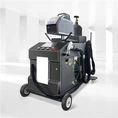
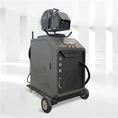

Here are the precautions for using the laser cutting machine with an exchange platform:
Equipment Inspection
-Before starting the machine, check the appearance of the equipment for any damage, and ensure that all components are firmly connected. Pay special attention to key parts such as the laser cutting head and the transmission components of the exchange platform to make sure there is no looseness or abnormality.
-Check the cooling system of the laser cutting machine, including whether the coolant level is within the normal range, whether there is any leakage in the cooling pipes, and whether the cooling water pump is working properly. The cooling system is crucial for the stable operation of the laser cutting machine. If there is insufficient cooling, it may cause overheating of components such as the laser, affecting the cutting quality and the service life of the equipment.
-Inspect the optical path system to check if the lenses are clean and free of dust, stains, or damage. If the lenses are dirty, it will affect the transmission and focusing effect of the laser, resulting in a decrease in cutting accuracy. If necessary, use special cleaning tools and reagents to clean the lenses.
-Check the smooth operation of the exchange platform and listen for any 卡顿 or abnormal noises. The positioning accuracy of the platform directly affects the cutting accuracy. Therefore, ensure that the platform can accurately switch between different stations, and the positioning error is within the allowable range.
Material Preparation
-Make sure the surface of the material to be cut is clean, free of oil, dust, rust, and other impurities. These impurities may affect the absorption rate of the laser, resulting in poor cutting surface quality and even causing spatter or slag - hanging during the cutting process.
-Select appropriate cutting parameters according to the thickness and material of the material, including laser power, cutting speed, gas pressure, etc. Different materials and thicknesses have different absorption and transmission characteristics of laser energy. It is necessary to determine the optimal cutting parameters through experiments or by referring to the equipment manual to achieve good cutting quality and efficiency.
-For some special materials, such as aluminum alloy and stainless steel, special auxiliary measures may be required. For example, when cutting aluminum alloy, due to its high reflectivity to laser, it may be necessary to use special auxiliary gases or adjust the cutting parameters to improve the cutting effect. When cutting stainless steel, pay attention to controlling the heat - affected zone to prevent surface oxidation or deformation of the material.
Safety Operation
-The operator must be professionally trained, familiar with the operation process and safety precautions of the equipment, and strictly abide by the operating procedures. Untrained personnel are not allowed to operate the equipment without permission to avoid safety accidents.
-During the operation of the equipment, it is strictly prohibited to open the protective door or enter the cutting area. The laser cutting process will generate high temperature, strong light, and spatter, which may cause harm to the human body. At the same time, the electrical components during the operation of the equipment also pose a risk of electric shock. Therefore, keep a safe distance and avoid touching the dangerous parts of the equipment.
-The operator should wear personal protective equipment, such as protective glasses and gloves. The protective glasses should be able to effectively block the laser to prevent permanent damage to the eyes. The protective gloves should have the properties of high - temperature resistance and cut - resistance to protect the hands from high temperature and spatter.
-Keep the area around the equipment clean and free of debris to ensure a smooth passage. The laser cutting machine may generate some flammable exhaust gas and dust during operation. If there are flammable materials around, it is easy to cause a fire. Therefore, clean up the debris and waste around the equipment in a timely manner and maintain a good ventilation environment.
Cutting Process Monitoring
-During the cutting process, closely observe the cutting situation, including the cutting speed, the quality of the cutting surface, and whether there are any abnormal sounds or odors. If the cutting speed slows down significantly, the cutting surface is rough, there is serious slag - hanging, or there is an abnormal odor, stop the machine in a timely manner for inspection, find out the reason, and make adjustments.
-Pay attention to observing the running state of the laser cutting machine, such as whether the working parameters of the laser are stable, and whether the cooling system and gas supply system are working properly. If there are any abnormal alarm messages or indicator lights on the equipment, immediately handle them according to the instructions in the equipment manual. Do not force the equipment to continue operating to avoid equipment damage.
-For the switching process of the exchange platform, pay attention to whether its movement is accurate and stable. If there is 卡顿,collision, or inaccurate positioning during the platform switching, it may cause position deviation or damage to the cut workpiece. In this case, stop the equipment in a timely manner, check the transmission mechanism and positioning system of the platform, and continue running after troubleshooting.
Equipment Maintenance and Repair
-Regularly clean the equipment to remove dust, oil, and cutting waste from the surface of the equipment. Especially for key components such as the laser cutting head and the exchange platform, keep them clean to avoid impurities from entering and affecting the performance of the equipment.
-According to the suggestions of the equipment manufacturer, regularly maintain the equipment, including replacing vulnerable parts, adding lubricating oil, and calibrating equipment parameters. For example, the nozzle and focusing lens of the laser cutting head are vulnerable parts and need to be replaced regularly according to the usage situation. The transmission parts of the exchange platform should be added with lubricating oil regularly to reduce wear and ensure its smooth operation.
-Regularly check the electrical system of the equipment to see if the wires are aging or damaged, and whether the electrical connections are firm. If aging or damaged wires are found, replace them in a timely manner to prevent short - circuit or electric shock accidents. At the same time, ensure that the equipment is well - grounded to ensure the safety of the operator and the equipment.
----------Victor Feng