


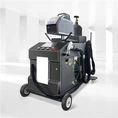
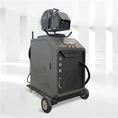
I. Main Safety Risks
Direct Exposure: High-power lasers (e.g., Class 4) can cause permanent visual damage (retinal burns) or skin burns if they directly irradiate the eyes or skin.
Diffuse/Specular Reflection: Even non-direct exposure to reflected laser light (especially specular reflection from metal surfaces like stainless steel during welding) can reach dangerous energy levels.
Long-Term Cumulative Effects: Prolonged exposure to low-power lasers may lead to visual fatigue or chronic eye damage.
Electric Shock: Malfunctioning insulation or poor grounding in high-voltage components (e.g., laser power supplies, water-cooling system circuits) can cause electric shock.

Electromagnetic Interference (EMI): High-frequency signals from lasers may interfere with control systems, leading to unexpected movements (e.g., abnormal laser head positioning).
Equipment Overheating: Cooling system failures (e.g., pump blockages, low coolant levels) can overheat laser or optical components, risking fire or damage.
Processing Area Heat: Sparks and slag (e.g., during carbon steel cutting) may burn operators or ignite flammable materials nearby.
Moving Part Injuries: Unprotected rails, robotic arms, or other moving components may cause pinching or collisions (e.g., moving axes of automatic welding machines).
Equipment Malfunction: Misaligned optical paths or loose mechanical structures can lead to uncontrolled laser head movements or beam deviations.
Cooling System Leaks: Water-cooled equipment may leak coolant (usually ethylene glycol-based), creating slippery surfaces or environmental pollution.
Processing Byproducts: Particles from laser cleaning (e.g., paint, rust) or toxic gases from cutting non-metals (e.g., chlorine from PVC) can cause inhalation hazards.
II. Core Protection Measures
Classified Management: Implement measures based on laser class (Class 1 to Class 4). Class 4 equipment must have fully enclosed protective covers or light-blocking barriers with warning lights/buzzers (as required by Rayther's CE certification).
Personal Protective Equipment (PPE):
Wear dedicated laser safety goggles (matched to the laser wavelength, e.g., 1064nm goggles for fiber lasers) when operating Class 4 devices.
Use anti-reflective workwear (dark, matte fabrics to reduce specular reflection).
Optical Path Optimization: Use anti-reflective coating worktables or diffuser baffles in high-reflection scenarios (e.g., welding aluminum/copper).
Grounding and Insulation: Ensure reliable grounding (ground resistance < 4Ω). Regularly inspect power cord insulation and connections; prohibit wet-hand operation.
Emergency Stop Devices: Install e-stop buttons in visible locations to cut laser output and motion systems within 0.5 seconds (compliant with CE machinery directive EN ISO 13850).
Moving Part Protection: Equip rails and gears with protective covers. Automatic devices should use safety light curtains or infrared sensors to pause operation when personnel approach.
Cooling System Monitoring: Water-cooled equipment should have temperature/flow sensors for real-time alarms (e.g., Rayther's closed-loop water-cooling system with fault detection). Replace coolant regularly (recommended every 6 months).
Processing Area Isolation: Install spatter guards at cutting/welding stations. Use fire-resistant flooring and prohibit flammable material storage near equipment.
Ventilation and Filtration: Activate local exhaust systems during non-metal cutting or cleaning. Use activated carbon filters (e.g., for HCl gas from PVC cutting).
Certification Requirements: Operators must receive professional training to master procedures (e.g., laser startup, fault code troubleshooting). Unauthorized access is prohibited.
Daily Inspections: Check optical alignment and protective lens cleanliness (use a dedicated microscope) before operation. Confirm e-stop buttons and protective covers are locked.
Emergency Plans: Develop protocols for laser leaks, electric shocks, and fires. Equip dry powder fire extinguishers and eyewash stations (within 10m of equipment).
Safety Standards: Choose equipment certified to CE, ISO 13485 (medical lasers), etc. (e.g., Rayther's CE certification covers laser safety and EMI compliance).
Documentation Management: Maintain safety manuals, maintenance records, and risk assessments. Conduct annual safety audits (recommended third-party testing).
III. Typical Scenario Examples
Handheld Laser Welder Operation: Wear safety goggles and insulated gloves. Avoid use in wet environments; adjust beam angles to reduce reflective light when welding aluminum.
Automatic Laser Cutter Maintenance: Power off and wait for capacitor discharge (at least 10 minutes) before accessing circuits. Use anti-static swabs to clean lenses.