


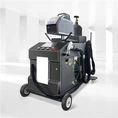
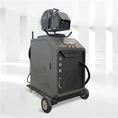
Laser cutting technology offers numerous benefits for processing metal sheets, making it a preferred choice in industries like automotive, aerospace, electronics, and construction. Here are the key advantages:
1. High Precision & Complex Shapes
- Ultra-fine cuts: Laser cutting achieves tolerances as tight as ±0.1mm, ideal for parts (e.g., medical devices, electronics).
- Intricate designs: Easily cuts complex geometries (curves, fine holes, sharp angles) that are difficult with traditional methods.
2. Fast Cutting Speed & High Efficiency
- Rapid processing: Faster than plasma, waterjet, or mechanical cutting, especially for **thin to medium sheets** (e.g., 1–10mm stainless steel, aluminum).
- Mass production: CNC automation enables continuous, high-volume manufacturing.
3. Superior Cut Quality, Minimal Post-Processing
- Smooth edges**: Clean cuts with no burrs, reducing the need for grinding or polishing.
- Small heat-affected zone (HAZ): Concentrated laser energy minimizes thermal distortion, preserving material properties.
4. Wide Material Compatibility
- Versatile metals: Cuts stainless steel, carbon steel, aluminum, copper, titanium**, and even non-metals (acrylic, wood).
- Adaptable thickness: Fiber lasers excel at thin-to-medium sheets (CO₂ lasers handle thicker materials but slower).
5. Non-Contact Cutting, Low Wear & Tear
- No tool wear: Laser beams don't physically touch the material, eliminating mechanical blade degradation.
- Material savings: Nesting software optimizes sheet layout, reducing waste.
6. Automation & Flexibility
- CNC programming: Quick design changes for custom or small-batch jobs.
- Robotic integration: Compatible with auto-loading systems for 24/7 unmanned production.
7. Eco-Friendly & Energy-Efficient
- Clean process: No toxic fumes (vs. flame cutting) or chemical waste.
- Lower power consumption**: Fiber lasers use 30–50% less energy than CO₂ lasers.
Laser cutting dominates modern metal fabrication due to its **precision, speed, and versatility**. Choosing the right laser (fiber for thin metals, CO₂ for non-metals/thick plates) depends on material type and production needs.
------------- Mr Victor Feng