


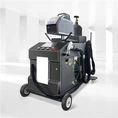
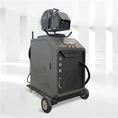
Introduction to Laser Cutting Technology
Laser cutting involves directing a concentrated beam of light to melt, burn, or vaporize material, resulting in clean and precise cuts. The technology offers several advantages over traditional cutting methods:
High Precision: Capable of achieving tolerances within 0.001 inch (0.025 mm), laser cutters ensure exact specifications are met.
Versatility: Suitable for cutting a wide range of materials, including metals, plastics, wood, and textiles.
Efficiency: Reduces the need for secondary processing, thereby saving time and resources.
Automation Compatibility: Easily integrates with computer-aided design (CAD) systems for automated and repeatable operations.
Applications Across Industries
Laser cutting machines are integral to various sectors, enhancing production capabilities and product quality.
Automotive Industry
In automobile manufacturing, laser cutting is employed to create precise components such as body panels, engine parts, and interior fixtures. The technology allows for complex shapes and designs, improving both functionality and aesthetics.
Aerospace Sector
The aerospace industry demands high-precision components made from durable materials. Laser cutting meets these requirements by producing intricate parts like turbine blades and structural elements with minimal error margins.
For electronics, laser cutting enables the production of detailed circuit boards and components. Its precision is crucial for creating the fine features required in modern electronic devices.
Medical Equipment
The medical field benefits from laser cutting in the fabrication of surgical instruments, implants, and prosthetics. The process ensures high cleanliness and precision, essential for medical applications.
Textile and Fashion Industry
Designers utilize laser cutting to create intricate patterns and designs in fabrics, pushing the boundaries of fashion and textile production. This technology allows for experimentation with complex patterns in various fabrics, from delicate silks to sturdy denims.
Shipbuilding and Marine Industry
In shipbuilding, laser cutting is used to create robust and precise components essential for constructing hull sections and intricate fittings. The technology excels in handling thick stainless steel plates, ensuring high-quality cuts and minimal waste.
Conclusion
Laser cutting machines have become indispensable tools in modern manufacturing, offering unparalleled precision and versatility. Their applications across various industries not only enhance product quality but also streamline production processes, leading to cost savings and increased efficiency. As technology continues to advance, the role of laser cutting in manufacturing is poised to grow even more significant.
------Amelia