


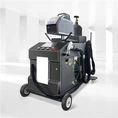
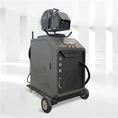

1. Chiller System Maintenance (Cooling System)
Function:
The chiller removes excess heat from the laser source and optical components. Overheating can cause laser instability, reduced power, and even permanent damage.
Maintenance Guidelines:
Water Quality: Use deionized or distilled water, and replace it every 1–3 months to prevent algae growth or mineral buildup.
Water Level: Check water level weekly; low water can trigger alarms or damage the system.
Filter Cleaning: Clean or replace filters periodically to ensure good water flow.
Temperature Setting: Keep the chiller set to the recommended operating temperature, usually around 22–25°C, depending on the laser model.
Leak Inspection: Routinely inspect for leaks in pipes or connections.
2. Air Supply System (Compressed Air and Gas Lines)
Function:
Clean and stable air supply is crucial for cutting/welding quality. Compressed air helps remove molten material and protects optics and the workpiece.
Maintenance Guidelines:
Drain the Air Tank: Condensation builds up in the air compressor tank. Drain it daily or weekly to avoid rust and moisture in the lines.
Filter Maintenance: Replace air filters regularly to ensure dry, clean air. Dirty filters lead to oil, dust, or water entering the system.
Check Pressure: Maintain appropriate air pressure (often 6–10 bar depending on the process).
Check Gas Purity: For shielding gases like nitrogen or argon, ensure high purity (≥99.99%) to avoid weld contamination.
3. Guide Rail and Transmission System
Function:
Guide rails and transmission parts (rack and pinion, ball screw, linear rail) ensure smooth, accurate movement of the cutting/welding head.
Maintenance Guidelines:
Clean Rails: Wipe off dust, grease, and debris daily to prevent wear and friction.
Lubrication: Apply suitable lubricating oil or grease weekly or monthly based on machine usage.
Check for Play or Wear: Regularly inspect for abnormal vibration, noise, or mechanical looseness.
Alignment Check: Misaligned guide rails can cause inaccurate cuts or poor welds.
4. Optical Components and Protective Lens
Function:
Optical lenses (focusing lens, protective window) directly affect laser delivery quality and safety.
Maintenance Guidelines:
Inspect Daily: Check for smoke stains, dust, or burn marks.
Clean Carefully: Use specialized lens cleaning paper and isopropyl alcohol-never use rough materials.
Replace Timely: If scratches or burns are visible, replace the lens to avoid affecting laser performance.
5. Electrical and Control Systems
Function:
Control cabinets, circuit boards, and wiring ensure proper machine operation.
Maintenance Guidelines:
Keep Dry and Dust-Free: Use air guns or vacuum tools to clean control cabinets regularly.
Check Fans and Cooling: Ensure all fans are working and free of dust buildup.
Inspect Connections: Tighten loose connectors to avoid unstable signals or power failure.
Conclusion
Regular maintenance of a laser system-including the cooling unit, air supply, motion components, optics, and electronics-is critical to maintaining equipment performance and extending its lifespan. Establishing a weekly, monthly, and quarterly maintenance routine can prevent unexpected failures, improve safety, and reduce operational costs. A well-maintained laser system runs more reliably, delivers higher-quality results, and supports your business success.
- Rayther Laser Lyra Zhang