


Operating instructions for the welding machine
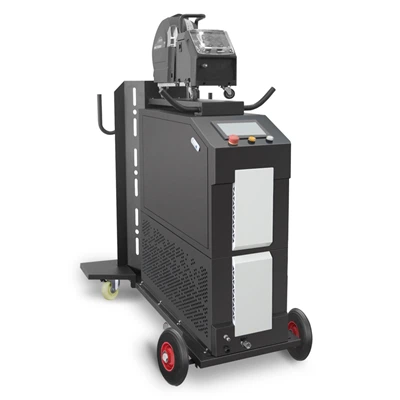
1.Preparations before operating the welding machine
Check the integrity of the equipment: Ensure that the power cord, welding gun, grounding wire, and gas pipe (if any) are securely connected without any damage or aging.
Environmental safety: Ensure that the working area is well-ventilated (to prevent the accumulation of welding fumes), keep away from flammable materials (such as paper, gasoline, etc.), and the floor should be dry and free of water accumulation.
Personal protection: Put on a welding mask, protective gloves, and flame-retardant work clothes. If necessary, wear a dust mask or earplugs.
Parameter settings: Adjust parameters such as current, voltage, and gas flow rate according to the welding material (such as carbon steel, stainless steel, aluminum), thickness, and welding method (such as argon arc welding, carbon dioxide welding) (refer to the equipment manual for specific values).
2.Properly start the welding machine
Connect the power supply, turn on the main switch of the equipment, and check whether the display screen or indicator lights are functioning properly (for example, if the power indicator light is on and there is no fault alarm).
For gas shielded welding, it is necessary to check the pressure of the gas cylinder (generally not less than 0.5 MPa), open the gas valve and adjust the gas flow rate (usually 8 - 15 L/min)
No-load test run of the welding gun: Press the welding gun switch, and check if the wire feeding is smooth and if the gas output is stable.
3.Welding Machine Safety Operating Procedures
Electric shock risk: Avoid operating in damp environments. Keep your hands dry during welding. Do not touch the electrodes or conductive parts with your hands directly.
Arc flash injury: Must wear a qualified welding mask at all times to avoid direct exposure to arc light (which may cause "arc eye", that is, ultraviolet damage to the cornea)
High-temperature burns: The temperature of welding splashes is extremely high. They must be kept away from the skin and clothing. After welding, the workpiece needs to be cooled before touching it. Clamps can be used to move the hot workpiece.
Smoke and fumes: Long-term inhalation of welding fumes may lead to occupational diseases (such as welder's pneumoconiosis). It is necessary to ensure ventilation or use local exhaust devices; Arc welding and other processes may produce ozone, so enhanced ventilation is required.
4.Daily maintenance of the welding machine
After daily use:
Turn off the power supply, wipe the dust and splatters on the equipment surface with a dry cloth.
Clean the splatter residue inside the welding gun nozzle,check the wear condition of the conductive tip.
Check if there are any welding wire debris on the gear of the wire feeding mechanism, clean it promptly and apply a small amount of lubricating oil.
Long-term storage:
Disconnect the power supply, release the remaining gas in the exhaust pipe, and remove the welding wire.
Store in a dry environment without corrosive gases, and avoid direct sunlight.
Turn on the power once a month (run without load for 5-10 minutes) to prevent electronic components from getting damp and aging.
---------Rayther Laser Camila Wang