


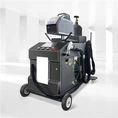
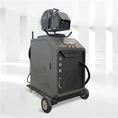
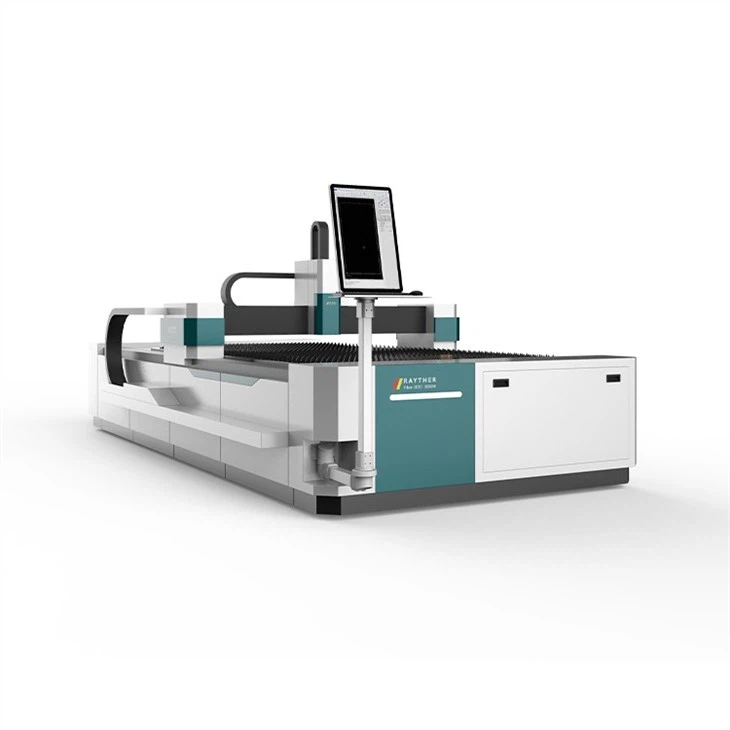
How to Choose the Right Air Compressor for a Laser Cutting Machine
Selecting the proper air compressor for a laser cutting machine requires careful consideration of air quality, pressure, flow rate, and system compatibility. Below is a step-by-step guide to ensure optimal performance and longevity of your laser cutter.
1. Determine the Laser Cutting Machine's Air Requirements
A. Air Purity
Oil-free air (Class 0) is mandatory to avoid contaminating laser optics and cut surfaces.
Use filters (ISO 8573-1 Class 1 or better) to remove moisture, dust, and oil residues.
B. Pressure (PSI/Bar)
Low-power lasers (e.g., 500W–2000W fiber lasers): 6–10 bar (87–145 psi).
High-power lasers (e.g., 3000W–12kW): 10–16 bar (145–232 psi).
Check the laser manufacturer's specs and add a 10–20% safety margin.
C. Air Flow (CFM or m³/min)
Small lasers (1–2kW): ~1.5–3 m³/min (50–100 CFM).
Industrial lasers (6kW+): 4–10 m³/min (140–350 CFM).
Formula: Higher nozzle diameter & cutting speed = higher airflow demand.
2. Essential Supporting Equipment
Air Dryer (Refrigerant or Desiccant)
Prevents moisture damage (target dew point: ≤3°C/37°F**).
Air Receiver Tank
Stabilizes pressure (recommended size: 20–30% of compressor CFM).
Filtration System
3-stage filtration** (particulate, coalescing, activated carbon).
3. Calculate Total Air Demand
If multiple machines share one compressor:
Total CFM = (CFM of Laser 1 + CFM of Laser 2) × 1.3 (safety factor)
Example: Two 3kW lasers (each needing 3 m³/min):
Total = (3 + 3) × 1.3 = 7.8 m³/min → Choose an 8 m³/min compressor.
4. Energy Efficiency & Cost Considerations
Variable Speed Drive (VSD) compressors save 20–30% energy in fluctuating demand.
Brand Recommendations:
Premium: Atlas Copco, Ingersoll Rand, Sullair
Mid-range: Kaeser, Quincy, Hanimex
Budget: Rolair, California Air Tools (for small lasers)
5. Installation & Maintenance Tips
Ventilation: Keep the compressor in a cool, dry area.
Regular Maintenance: Drain tanks, replace filters, check for leaks.
Noise Control: Opt for silenced models (<65 dB) if in a shared workspace.
Example Setup for a 4000W Laser Cutter
Compressor: Oil-free screw, 5 m³/min @ 12 bar
Dryer: Refrigerant type (dew point +3°C)
Tank: 500-liter buffer tank
Filters: 0.01 µm particulate + 0.003 ppm oil removal
Final Recommendation
For most industrial laser cutters, an oil-free screw compressor with a dryer and filters is the best choice. Small shops with <2kW lasers can use oil-free piston or scroll compressors. Always verify specs with both laser and compressor manufacturers before purchasing.
---------Victor Feng
Rayther Laser