



Lasers vs. Plasmas: Which Cutting Machine is Right for You?
The Critical Choice in Cutting Processes
In modern manufacturing, the cutting process is a crucial part. Laser cutting machines and plasma cutting machines are two widely used cutting devices. They each have unique performance characteristics and are suitable for different processing scenarios. Choosing the right cutting machine can not only improve production efficiency but also effectively control costs. So, how should you make this decision?
Laser Cutting Machines: Precise "Light Knives"
Laser cutting machines use a high - energy - density laser beam to irradiate workpieces, causing the material to melt or vaporize instantly, thus achieving cutting. This process is like using an extremely fine "light knife" to accurately cut along a preset path. Due to the highly concentrated energy of the laser beam, the cutting accuracy is extremely high, which can reach ±0.01mm or even higher. When cutting thin materials, the speed is very fast. For example, when cutting a 0.5mm - thick stainless - steel sheet, the speed can reach several meters per minute. The cutting surface is smooth and flat, and almost no subsequent processing is required. The heat - affected zone is minimal, which can maximize the preservation of the original properties of the material. It is very suitable for industries with strict requirements for accuracy and surface quality, such as electronic device manufacturing and precision instrument processing. When processing precision metal parts inside mobile phones, laser cutting machines can complete the cutting of complex shapes in a very small space, ensuring that the dimensional accuracy and performance of the parts are not affected.
Maintenance Suggestions for Laser Cutting Machines
Optical System Cleaning: Regularly use special optical cleaning tools, such as dust - free cloths, lens papers, and professional cleaning agents to clean optical components such as laser generators and focusing lenses. Avoid dust, oil stains, and other pollutants from affecting laser transmission and focusing effects, thereby reducing cutting accuracy. It is generally recommended to clean the external optical components at least once a week. For the internal optical system, professional cleaning and maintenance can be carried out every 1 - 3 months depending on the frequency of use.
Laser Generator Maintenance: Replace the vulnerable parts of the laser generator, such as laser tubes and resonator cavity lenses, regularly according to the manufacturer's recommendations. At the same time, pay close attention to the working state of the laser generator and monitor whether the output power is stable. If a power drop is detected, promptly investigate the cause. Professional debugging or maintenance may be required.
Cooling System Maintenance: The cooling system of a laser cutting machine is crucial for the stable operation of the equipment. Regularly check the liquid level and quality of the coolant to ensure that the coolant is sufficient and not deteriorated. Generally, replace the coolant every 2 - 3 months and clean the cooling pipes to prevent the accumulation of impurities and scale from affecting the cooling effect and causing the equipment to overheat and be damaged.
Electrical System Inspection: Regularly check the connection of electrical circuits to ensure that the wires are not loose or damaged. At the same time, clean the dust in the electrical cabinet to prevent electrical failures caused by dust accumulation. A comprehensive inspection and maintenance of the electrical system can be carried out every six months.
Plasma Cutting Machines: Masters of Thick - Plate Cutting
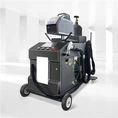
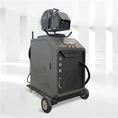
Plasma cutting machines use a high - temperature plasma arc to melt and blow away metals to achieve cutting. Its working principle is similar to that of a high - temperature spray gun. The powerful plasma arc can quickly penetrate thick metal plates. Plasma cutting machines have significant advantages in cutting thick plates. They can easily cut steel plates with a thickness of several tens of millimeters, and the cutting speed is relatively fast. In the shipbuilding industry, when cutting large - scale ship hull steel plates, plasma cutting machines can efficiently complete the task and greatly improve production efficiency. However, compared with laser cutting machines, the cutting accuracy of plasma cutting machines is slightly inferior. The cutting surface is relatively rough, and the heat - affected zone is larger, which may have a certain impact on the performance of the material.
Maintenance Suggestions for Plasma Cutting Machines
Replacement of Electrodes and Nozzles: Electrodes and nozzles are key consumables of plasma cutting machines, and they wear out quickly. Replace the electrodes and nozzles in a timely manner according to the thickness of the cutting material and the cutting volume. Generally speaking, when cutting thicker metal plates, the service life of the electrodes and nozzles will be shortened. It is recommended to check their wear conditions before each use. When the head of the electrode is severely worn or the diameter of the nozzle becomes larger, replace them in a timely manner to ensure cutting quality and cutting efficiency.
Gas System Inspection: Plasma cutting machines rely on gas for assisted cutting. Therefore, regularly check whether there are leaks in the gas pipeline and whether the gas filter is blocked. Ensure that the gas supply is stable and pure to avoid affecting the stability of the plasma arc and the cutting effect due to gas problems. A simple inspection of the gas system can be carried out once a week, and the gas filter element can be replaced every 3 - 6 months.
Torch Cleaning and Maintenance: After each cutting operation, promptly clean the slag and spatter on the torch to prevent their accumulation from affecting the performance and service life of the torch. Regularly check whether the connection parts of the torch are loose and whether the cable is damaged. If problems are found, repair or replace the relevant parts in a timely manner.
Overall Equipment Cleaning: Regularly clean the dust and debris on the workbench, surface of the machine body, and inside of the plasma cutting machine to maintain good heat dissipation performance of the equipment. At the same time, avoid using the equipment in humid and dusty environments to reduce the occurrence of equipment failures.
Cutting Material Range: The Versatility of Lasers and the Limitations of Plasmas
In terms of the range of cutting materials, laser cutting machines are more adaptable. They can not only cut various metal materials, such as carbon steel, stainless steel, and aluminum alloys, but also process many non - metal materials, such as acrylic, wood, and fabric. In the advertising production industry, laser cutting machines are often used to cut acrylic boards to produce exquisite advertising signs. On the other hand, plasma cutting machines are mainly suitable for conductive metal materials and are powerless for non - metal materials.
Cost Considerations: The High Investment of Lasers and the Economy of Plasmas
Cost is also a key factor to consider when choosing a cutting machine. The upfront equipment purchase cost of laser cutting machines is high. A high - precision laser cutting machine can cost hundreds of thousands of yuan or even more. Moreover, its maintenance cost is not low. Regular cleaning and calibration of optical components are required, and the cost of replacing key components such as laser generators is also high. However, due to its high cutting accuracy and speed, in large - scale production, it can make up for the cost disadvantage by improving production efficiency and reducing the rejection rate. The equipment cost of plasma cutting machines is relatively low, generally ranging from tens of thousands to over a hundred thousand yuan. The operating cost is also low, and the consumables are mainly electrodes and nozzles, which are relatively inexpensive. For small and medium - sized enterprises with limited budgets and mainly dealing with thick - plate metal cutting, plasma cutting machines are a more cost - effective choice.
Comprehensive Evaluation and Making the Best Choice
In summary, if your processing requirements focus on high precision, complex - shape cutting, and adaptability to various materials, and you are less sensitive to costs, then a laser cutting machine is undoubtedly the best choice. If you are mainly engaged in thick - plate metal cutting, do not have particularly high requirements for accuracy, and want to control costs, a plasma cutting machine is more in line with your needs. Before making a decision, enterprises should fully evaluate their production requirements, budgets, and future development plans to select the most suitable cutting equipment and gain an advantage in the fierce market competition.
--Jack Sun--