


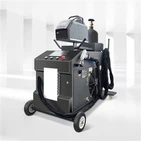


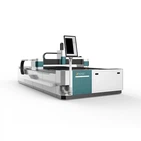
Laser marking machines have revolutionized the way products are marked, labeled, and traced in various industries. The technology is used in several applications like automotive, healthcare, aerospace, electronics, and many more. The benefits of laser marking include permanent and non-contact identification, high accuracy, speed, and ease of use. In this article, we will take a closer look at some of the most common laser marking machine applications.
Automotive industry
The automotive industry has been a significant user of laser marking technology for several years, with applications ranging from marking VIN numbers to identifying parts, branding, and traceability. Laser marking machines have become a valuable tool for vehicle manufacturers in marking auto parts, engines, and tires. It allows manufacturers to better track their inventory and prevent counterfeiting or tampering. Additionally, laser marking technology is used in the production of car interiors. For example, it can be used to mark the buttons on the dashboard, lighting controls, and logos on the steering wheel.
Aerospace industry
The aerospace industry is another sector that heavily relies on laser marking machines. In aviation, parts often experience high stress levels, high temperatures, and intense vibrations. Marking these parts with a permanent and high-contrast identification is crucial. Laser marking has provided the aerospace industry with a long-lasting solution. The technology is used to mark safety-critical parts like engine components, turbines, and landing gear. Manufacturers often rely on laser marking to meet the stringent safety and security requirements necessary for aircraft components.
Electronic industry
The electronic industry is another sector that heavily relies on laser marking machines. The technology is used in electronic devices, such as smartphones, tablets, and laptops, where manufacturers need to print a unique identification number or trademark legally. Additionally, it is used in the marking of printed circuit boards (PCBs) and electronic components. Laser marking technology is preferred over traditional labeling methods because it is permanent, resistant to fading, and it doesn't peel off. Laser-marked PCBs are vital for tracking components and ensuring quality control.
Medical industry
The healthcare industry also relies heavily on laser technology. Laser marking machines can be used to mark medical devices, such as surgical instruments, implants, and other medical equipment. This allows manufacturers to execute a permanent, high-quality marking on small and delicate parts. The benefits of laser marking technology in the medical industry include the elimination of smudging, cracking, or fading of markings over time, which can create significant safety concerns if not correctly marked.
Jewelry Industry
The jewelry industry has embraced laser marking technology as an ideal solution for branding precious metals and diamonds. Traditionally jewelry was marked manually with hand engraving or acid etching, which was time-consuming and could cause damage or distortion to jewelry. Laser technology today can mark gold, silver, platinum, and other alloys with high precision and accuracy, with a clean, imperfection-free finish. Laser marking on diamonds is done on the girdle, which is so small that it can only be seen with a microscope providing flexibility and quality marks.
Micro manufacturing/Tools & Die Making
Ultra-short pulse lasers (USP) have been used in industries for micro manufacturing and tools and die making. These lasers have a very short duration (picoseconds) of energy release, making them more suitable for marking with minimum heat and creating smaller markings on small parts. The USP laser beam produces a minimal heat affected zone (HAZ). It makes them suitable for marking on materials like ceramics, glass, and thin metal sheets. This application is particularly relevant to create high-tolerance, precision parts for diverse industries.
Leather industry
Leather products always require a logo, a symbol, or a name tag to show their brand like fashion labels or leather bags. Laser marking technology for material regeneration is one of the essential applications in the leather industry. Leather is thermally combustible, and the laser marking machine burns out the top layer to create a suitable contrast to mark a clear logo or a letter. This results in an optimal engraving mark, creating the best finishing touch with no strain or smudge on the label's surfaces.
Security solutions
The most common application in the security industry is tamper-evident labels. The labels are used for tamper-proof packages or confidential documents. This is an important part of any security plan, and laser marking systems can provide a secure way of marking labels, increasing product security by providing more evidence of counterfeiting, since the labels can not be removed from the package without showing visible signs of tampering.
Laser marking technology has been proven to be a versatile, time-saving, and cost-effective solution for various industries. Its high-contrast and non-contact marking system, affordability, its unparalleled accuracy, and durability make it an essential tool for any finish product. There isn't any other technology that comes closer to laser marking machines' standards as they provide reliability, permanence, unalterability, and a range of unique customizing options that enhance brand value for products.