


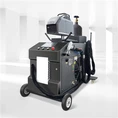
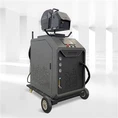

When using the cleaning function of a laser welding machine, pay attention to the following key points to ensure safety, equipment longevity, and cleaning effectiveness:
1. Safety Precautions
Laser Safety Glasses: Always wear laser-protective goggles when cleaning optical components (e.g., lenses, mirrors) to avoid accidental laser reflection.
Power Off/Standby Mode: Ensure the machine is turned off or in maintenance mode before cleaning to prevent accidental laser activation.
Anti-Static Measures: Use anti-static gloves and tools to prevent electrostatic damage to sensitive optical parts.
2. Cleaning Tools & Materials
Specialized Solvents: Use high-purity alcohol (e.g., 99.9% isopropyl alcohol) or optical-grade cleaning solutions. Avoid fibrous materials like paper towels.
Lint-Free Wipes: Use optical-grade microfiber cloths or swabs, wiping gently in one direction to avoid scratches.
Avoid: Regular paper towels, abrasive cloths, tap water, or oil-based cleaners.
3. Proper Cleaning Procedure
Blow Away Dust First: Use compressed air or nitrogen to remove loose particles before wiping.
Gentle Wiping Motion: Clean in a spiral motion (unidirectional) without rubbing back and forth. For stubborn stains, apply solvent lightly.
No Direct Contact: Never touch optical surfaces with bare hands to prevent oil contamination.
4. Component-Specific Cleaning
Focus Lens: Pay extra attention to the central area (laser path); check for coating damage.
Mirrors: Be cautious with alignment mechanisms; recalibrate the laser path if needed.
Nozzle & Welding Head: Remove metal spatter using a copper brush or specialized tools to prevent gas flow blockage.
5. Environment & Frequency
Cleanroom Conditions: Perform cleaning in a dust-free area if possible.
Scheduled Maintenance: Clean lenses every 8 hours of operation; deep-clean mirrors weekly (adjust based on usage).
6. Post-Cleaning Inspection & Testing
Visual Check: Use side lighting to inspect for streaks or scratches.
Test Run: Perform a low-power laser test to verify beam quality before resuming welding.
7. Documentation & Professional Service
Maintenance Log: Record cleaning dates, issues found (scratches, coating wear), and part replacements.
Expert Assistance: If severe contamination or damage is detected, contact the manufacturer for professional servicing.
Note: Always refer to the equipment manual for model-specific guidelines. Improper cleaning may cause beam misalignment, power loss, or equipment failure.
----------Victor Feng
Rayther Laser