


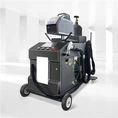
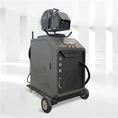

The Role of an Air Compressor in Laser Cutting Machines
When a laser cutting machine** is operating, the connected air compressor provides compressed air, which plays several key roles in the cutting process:
1. Assist Gas for Cutting (Mainly for Fiber Laser Cutting Metals)
Blows away molten slag: The high-speed airflow removes melted metal residue (oxidized layers) from the kerf, ensuring a clean and smooth cut edge.
Cools the cutting zone: Compressed air helps dissipate heat, preventing material deformation and improving precision.
Cost-effective alternative to O₂/N₂: Compared to expensive oxygen (O₂) or nitrogen (N₂), compressed air is a cheaper option for cutting stainless steel, aluminum, and mild steel (though high-precision cuts may still require specialty gases).
2. Protects the Laser Lens
Prevents dust & splatter buildup: Metal fumes and debris generated during cutting can contaminate the focusing lens. Compressed air creates an air curtain or purging flow to keep the lens clean, extending its lifespan.
3. Powers Pneumatic Components
Some laser cutters use pneumatic systems (e.g., cylinders, clamps, valves) that rely on compressed air for automated feeding, positioning, and other functions.
4. Improves Cutting Efficiency
Proper air pressure and flow optimize cutting speed, reduce burrs, and enhance edge quality-especially for thin sheets (1–6mm stainless steel, carbon steel).
Summary
The air compressor in a laser cutting machine is mainly used to:
Remove molten material for better cut quality
Cool and protect the laser lens from contamination
Power pneumatic systems for automation
Reduce operational costs (compared to specialty gases)
For highly reflective metals (e.g., copper, brass) or ultra-smooth finishes, nitrogen may be required, but compressed air remains a cost-efficient solution for most applications.
--------Victor Feng