


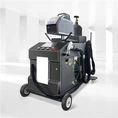
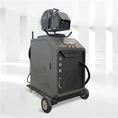

1. Gantry Type (Open Gantry Structure)
The gantry type structure is one of the most common designs. It features an open working table where the laser cutting head moves on a gantry frame.
Key Features:
Open and accessible structure
Simple design, cost-effective
Easy to load and unload large sheets manually
Suitable for small to medium-size sheet metal jobs
Advantages:
Affordable for startups and workshops
Easier maintenance and part replacement
Good visibility during operation
Limitations:
Manual loading may reduce productivity
No protective enclosure, so it requires strict safety awareness
2. Exchange Platform Type
The exchange platform model includes two working tables. While one table is cutting, the other can be used for loading and unloading materials. The tables switch automatically.
Key Features:
Dual-platform design for continuous work
Reduces machine downtime
Speeds up production for high-volume cutting tasks
Advantages:
High efficiency and productivity
Less waiting time between jobs
Ideal for factory automation
Limitations:
More complex structure
Higher cost than single-table machines
3. Enclosed High-Speed Model
This type features a fully enclosed cutting area with a protective cover. It usually includes an exchange platform as well and is designed for high-speed, high-power cutting.
Key Features:
Fully enclosed cutting area with safety windows
Dust and smoke containment
Often equipped with high-speed linear motors and auto-focus heads
Advantages:
Maximum safety for operators
Clean, professional appearance
Suitable for cutting thick or highly reflective metals like aluminum and copper
Limitations:
Higher cost and larger footprint
Maintenance may be more specialized
--Rayther Laser Lyra Zhang