


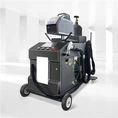
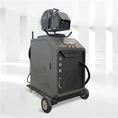

As a high-precision cutting tool, the fiber laser cutting machine delivers exceptional results when operators properly configure its technical parameters, particularly cutting speed. An improper speed setting can lead to suboptimal cuts, material waste, and reduced efficiency. Below are the common issues caused by incorrect cutting speeds and how to identify them:
Effects of Incorrect Cutting Speed
1. Cutting Speed Too Fast
- Incomplete cuts: The laser fails to penetrate the material fully, leaving uncut sections.
- Slanted cutting lines: The lower part of the cut may show diagonal streaks or excessive slag buildup.
- Rough edges: The cut edge appears thicker, with inconsistent melting patterns.
2. Cutting Speed Too Slow
- Excessive melting: The material overheats, leading to rough, uneven surfaces.
- Wider kerf: The cutting seam becomes unnecessarily wide, wasting material.
- Burn marks at corners: Sharp edges may melt excessively, distorting precision cuts.
Advantages of Fiber Laser Cutting Machines
Compared to traditional mechanical cutting, fiber laser cutting offers:
- Narrower kerf width – Minimizes material loss.
- Higher precision – Produces clean, burr-free edges.
- Faster processing – Increases productivity.
- Lower operating costs – Reduced energy consumption and maintenance.
- Greater versatility – Cuts various metals (steel, aluminum, copper, etc.) with ease.
How to Determine the Optimal Cutting Speed
A simple yet effective method is to observe the sparks during cutting:
- Ideal Speed: Sparks spray vertically downward, indicating proper penetration and smooth cutting.
- Too Fast: Sparks tilt backward, suggesting insufficient melting and potential incomplete cuts.
- Too Slow: Sparks appear few, clustered, or weak, indicating excessive heat buildup and overmelting.
By monitoring spark behavior, operators can quickly adjust the speed to optimize cutting quality. This method ensures efficient material processing, reduced waste, and longer machine lifespan.
Conclusion
To maximize the performance of a fiber laser cutting machine, operators must fine-tune the cutting speed based on material type, thickness, and desired finish. Observing spark patterns provides real-time feedback, allowing for immediate adjustments and superior cutting results.
By mastering these techniques, manufacturers can enhance productivity, improve cut quality, and maintain the machine's peak performance. Contact us for further assistance rayther@raytherlasercutter.com.
--Rayther Laser Allen Wang