


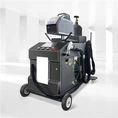
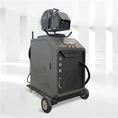
Cutting machines are essential tools in material processing, widely used across industries such as manufacturing, automotive, aerospace, and construction. Common cutting technologies include water jet cutting, plasma cutting, punch presses, and CNC routers, each with distinct working principles and applications. However, in recent years, laser cutting machines have gained significant market share due to their precision, speed, and versatility.
This article explores the advantages and disadvantages of laser cutting machines compared to other cutting technologies, helping businesses determine whether laser cutting is the right choice for their needs.

Advantages of Laser Cutting Machines
1. High Precision and Clean Cuts
Laser cutting uses a high-power-density laser beam to melt or vaporize material, achieving extremely fine cuts with minimal kerf width. Unlike mechanical tools, the laser does not physically contact the workpiece, preventing scratches or deformations.
- Laser vs. Plasma Cutting: Plasma cutting uses a high-temperature plasma arc, which produces a wider kerf and rougher edges, requiring secondary finishing.
- Laser vs. Water Jet Cutting: Water jets use high-pressure water mixed with abrasives, resulting in a larger cutting width and less precision compared to lasers.
2. Fast Cutting Speed
Laser cutting is significantly faster than traditional methods, especially for thin metals and complex shapes. The concentrated energy allows for rapid material removal, improving production efficiency.
- Thin Metal Sheets: Lasers can cut several times faster than plasma or water jets.
- Automated Processing: Combined with CNC systems, laser cutting enables high-speed, continuous operation without manual intervention.
3. Low Material Waste and Maintenance Costs
Unlike water jets (which require abrasives) or plasma cutters (which consume electrodes and gases), laser cutting relies primarily on electricity and
assist gases (such as nitrogen or oxygen). This reduces consumable costs and minimizes waste.
- No Tool Wear: Traditional mechanical cutting tools degrade over time, whereas laser optics have a longer lifespan.
- Minimal Secondary Processing: The smooth edges reduce the need for grinding or polishing.
4. High Flexibility and Versatility
Laser cutting machines can process a wide variety of materials and shapes, including:
- Flat sheets (steel, stainless steel, aluminum, brass, copper)
- Pipes and tubes (round, square, rectangular, and irregular profiles)
- 3D structures (using 5-axis laser cutting)
- Example: Rayther's 3D five-axis fiber laser cutting machine can perform complex 3D cuts on automotive parts, aerospace components, and industrial molds.
5. Ideal for Batch Production
Laser cutting machines excel in mass production due to:
- Automated loading/unloading systems (exchange platforms, conveyor belts)
- CNC programming for repeatable, error-free cuts
- Reduced labor costs compared to manual or semi-automated methods
- Example: Rayther's auto-feeding laser cutting machines with exchange platforms allow continuous operation, significantly boosting productivity.
6. Fewer Material Restrictions
Laser cutting can process both metals and non-metals, depending on the laser type:
- Fiber lasers: Ideal for metals (steel, aluminum, copper)
- CO₂ lasers: Suitable for non-metals (wood, acrylic, plastics, textiles)
- Example: Rayther's LZ-3015S can cut both metal and non-metal materials, eliminating the need for multiple machines.
7. Smooth Cutting Surface (No Secondary Processing Needed)
Laser-cut edges are clean and burr-free, unlike plasma-cut surfaces, which often require grinding. This saves time and labor costs in post-processing.
Comparison:
- Plasma Cutting: Leaves slag and rough edges
- Laser Cutting: Produces smooth, ready-to-use parts
8. Environmentally Friendly (Low Noise and Pollution)
No water waste (unlike water jet cutting)
No toxic fumes (compared to plasma cutting)
Low noise levels, improving workplace safety
Disadvantages of Laser Cutting Machines
Despite their advantages, laser cutting machines have some limitations:
1. High Initial Investment
Laser cutters are more expensive than plasma or water jet machines.
Small businesses may find the upfront cost prohibitive.
2. Limited Cutting Thickness
Fiber lasers: Best for thin to medium-thickness metals (up to 25mm for steel).
Thick materials (over 50mm) are better suited for plasma or water jet cutting.
3. Difficulty Cutting Highly Reflective Metals
Metals like copper, brass, and aluminum reflect laser beams, requiring specialized laser sources (e.g., pulsed lasers).
Water jet cutting is more effective for these materials.
Conclusion: Is Laser Cutting Right for You?
Laser cutting machines offer unmatched precision, speed, and versatility, making them ideal for industries requiring high-quality cuts and mass production. However, their high cost and material limitations mean they may not be suitable for all applications.
When to Choose Laser Cutting:
✔ High-precision metal fabrication
✔ Batch production with automation
✔ Complex shapes and 3D cutting
When to Consider Alternatives:
✖ Cutting very thick materials (plasma/water jet is better)
✖ Processing highly reflective metals (water jet is more efficient)
For more information on laser cutting machines, models, and pricing, contact us rayther@raytherlasercutter.com today!
-- Allen Wang