


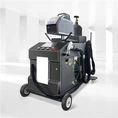
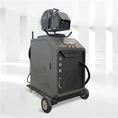

In the dynamic landscape of modern manufacturing and industrial processing, laser cutting technology has emerged as a revolutionary force, transforming traditional fabrication methods with its precision, speed, and versatility. Among the various types of laser cutting equipment, the exchange platform laser cutting machine stands out as a highly efficient and advanced solution, catering to the growing demands of industries ranging from metalworking and automotive to aerospace and electronics. This article delves into the intricacies of the exchange platform laser cutting machine, exploring its working principles, key features, applications, advantages, and future prospects.
1. Working Principles
At the core of the exchange platform laser cutting machine lies the fundamental principle of laser cutting, which involves using a high-energy laser beam to melt, vaporize, or blow away materials, creating precise cuts along a predetermined path. The exchange platform system, a distinctive feature of this type of laser cutting machine, significantly enhances its productivity and efficiency.
The machine typically consists of two platforms: a working platform and a loading/unloading platform. When the laser cutting process is underway on the working platform, operators can simultaneously load new materials onto the loading/unloading platform and unload the previously processed workpieces. Once the cutting operation on the working platform is completed, the platforms are quickly exchanged using a mechanical or automated system, allowing the new materials on the freshly loaded platform to be immediately positioned for cutting without any significant downtime. This seamless and continuous operation reduces idle time, maximizing the machine's utilization rate and overall productivity.
The laser source, a crucial component of the machine, generates a concentrated beam of light with high energy density. Depending on the type of laser cutting machine, the laser source can be a fiber laser, CO₂ laser, or other specialized lasers. Fiber lasers, for instance, have gained popularity in recent years due to their high electro - optical conversion efficiency, compact size, and low maintenance requirements. The laser beam is guided through optical components such as mirrors and lenses, which focus the beam to a small spot on the surface of the material being cut.
A high - pressure gas supply system is also integral to the laser cutting process. Compressed gas, such as oxygen, nitrogen, or air, is blown co - axially with the laser beam onto the cutting area. In the case of metal cutting, oxygen is often used as the assist gas. The oxygen reacts with the molten metal, causing an exothermic reaction that enhances the cutting process, increasing the cutting speed and improving the quality of the cut edge. For non - metallic materials, gases like nitrogen are used to prevent oxidation and ensure clean cuts.
2. Key Features
2.1 High Productivity
As mentioned earlier, the exchange platform design is the primary factor contributing to the high productivity of these machines. By enabling continuous operation through parallel loading, unloading, and cutting processes, the exchange platform laser cutting machine can significantly increase the number of workpieces processed per unit of time. This makes it an ideal choice for mass production and high - volume manufacturing scenarios.
2.2 Precision and Accuracy
Laser cutting technology, in general, offers exceptional precision and accuracy, and exchange platform laser cutting machines are no exception. The focused laser beam allows for cuts with extremely narrow kerf widths, typically in the range of 0.1 - 0.5 mm, depending on the material and cutting parameters. This precision enables the production of complex and intricate designs with tight tolerances, making it suitable for applications that require high - quality and detailed fabrication.
2.3 Versatility
These machines can handle a wide variety of materials, including metals (such as stainless steel, carbon steel, aluminum, and copper), non - metals (such as acrylic, wood, plastic, and leather), and composite materials. Different laser sources and cutting parameters can be adjusted according to the material properties, ensuring optimal cutting results for each type of material.
2.4 Automated Operation
Modern exchange platform laser cutting machines are equipped with advanced control systems that enable automated operation. Operators can program the cutting paths, parameters, and sequences using computer - aided design (CAD) and computer - aided manufacturing (CAM) software. The machine then executes the cutting process with minimal human intervention, reducing the risk of human error and improving the consistency of the production process.
2.5 Safety Features
To ensure the safety of operators and the integrity of the machine, exchange platform laser cutting machines are equipped with a range of safety features. These include protective enclosures to shield operators from the laser beam, interlocks that prevent the machine from operating when the safety doors are open, and emergency stop buttons for immediate shutdown in case of an emergency.
3. Applications
3.1 Metalworking Industry
In the metalworking industry, exchange platform laser cutting machines are widely used for cutting sheet metal components. They can produce parts for various applications, such as automotive body panels, structural steel components, electrical enclosures, and metal furniture. The ability to cut complex shapes with high precision and speed makes these machines an essential part of modern metal fabrication workshops.
3.2 Automotive Industry
The automotive industry demands high - quality and precise components in large quantities. Exchange platform laser cutting machines are used to cut parts such as engine components, transmission parts, and exhaust systems. They can also be employed for prototyping, allowing automotive manufacturers to quickly produce and test new designs before mass production.
3.3 Aerospace Industry
Aerospace applications require materials with high strength - to - weight ratios, and the components often have complex geometries. Exchange platform laser cutting machines can cut aerospace materials such as titanium alloys, aluminum alloys, and composite materials with the required precision and accuracy. These machines play a crucial role in the production of aircraft structural components, engine parts, and aerospace assemblies.
3.4 Electronics Industry
In the electronics industry, where miniaturization and precision are of utmost importance, exchange platform laser cutting machines are used to cut printed circuit boards (PCBs), electronic enclosures, and other small - scale components. The ability to make fine cuts and handle delicate materials makes these machines suitable for the production of high - tech electronic devices.
3.5 Sign and Advertising Industry
For the sign and advertising industry, exchange platform laser cutting machines can cut a variety of materials, including acrylic, wood, and metal, to create customized signs, letters, and decorative elements. The precision of laser cutting allows for the production of detailed and eye - catching designs, enhancing the visual appeal of the signs.
3.6 Furniture and Woodworking Industry
In the furniture and woodworking industry, these machines can cut wood, plywood, and other wooden materials to create furniture components, decorative panels, and intricate joinery. The clean and precise cuts provided by laser cutting eliminate the need for additional finishing processes in many cases, saving time and labor costs.
4. Advantages
4.1 Cost - effectiveness
Although the initial investment in an exchange platform laser cutting machine may be relatively high, the long - term cost - effectiveness is significant. The high productivity of these machines reduces labor costs per unit of production, as fewer operators are required to achieve the same output compared to traditional cutting methods. Additionally, the precision of laser cutting minimizes material waste, further reducing production costs.
4.2 Quality and Consistency
The precision and accuracy of exchange platform laser cutting machines ensure that the quality of the cut parts is consistent throughout the production process. This reduces the occurrence of defective products, improving overall product quality and customer satisfaction. The clean and smooth cut edges also often require less post - processing, saving time and resources.
4.3 Design Flexibility
With the use of CAD/CAM software, designers have the freedom to create complex and unique designs, which can be easily translated into cutting paths for the laser cutting machine. This design flexibility allows manufacturers to offer customized products to meet the specific needs of their customers, giving them a competitive edge in the market.
4.4 Environmental Friendliness
Compared to some traditional cutting methods, such as mechanical sawing or flame cutting, laser cutting generates less noise, dust, and fumes. The use of assist gases also helps to control the debris generated during the cutting process, making laser cutting a more environmentally friendly option.
5. Future Prospects
The future of exchange platform laser cutting machines looks promising, with continuous advancements in technology driving further improvements in performance and functionality.
One area of development is the integration of artificial intelligence (AI) and machine learning (ML) into laser cutting systems. AI and ML algorithms can be used to optimize cutting parameters in real - time, based on factors such as material properties, thickness, and cutting speed. This would further enhance the precision and efficiency of the cutting process, reducing the need for manual parameter adjustment.
Another trend is the development of more powerful and energy - efficient laser sources. As research progresses, new laser technologies may emerge, offering higher cutting speeds, better beam quality, and lower energy consumption. This would not only improve the productivity of the machines but also make them more cost - effective in the long run.
In addition, the demand for smaller and more compact exchange platform laser cutting machines is likely to increase, especially in industries such as electronics and prototyping, where space is often limited. Manufacturers are expected to focus on developing machines with a smaller footprint without sacrificing performance and functionality.
Furthermore, as the concept of Industry 4.0 gains momentum, exchange platform laser cutting machines are expected to be more seamlessly integrated into smart manufacturing systems. This would enable real - time monitoring, remote control, and data - driven decision - making, enhancing the overall efficiency and flexibility of the manufacturing process.
In conclusion, the exchange platform laser cutting machine is a highly advanced and efficient piece of equipment that has revolutionized the field of laser cutting. With its unique features, wide range of applications, and numerous advantages, it has become an indispensable tool in modern manufacturing industries. As technology continues to evolve, these machines are set to play an even more significant role in the future of manufacturing, driving innovation and productivity to new heights. Contact us for more information rayther@raytherlasercutter.com
--Allen Wang