


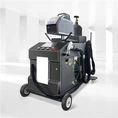
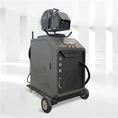

Laser tube cutting machines have become essential in modern manufacturing, offering precision, efficiency, and versatility for cutting metal tubes and pipes. However, selecting the right machine requires careful consideration of several factors, including material type, production needs, and budget. This guide will help you make an informed decision when choosing a laser tube cutting machine.
1. Determine Your Material Requirements
The first step in selecting a laser tube cutting machine is identifying the types of materials you will be processing. Different lasers are optimized for specific materials:
- Fiber Lasers: Best for cutting metals like stainless steel, carbon steel, aluminum, and copper. They offer high speed and energy efficiency.
- CO2 Lasers: Suitable for non-metal materials such as plastics, wood, and acrylic, though they can also cut thin metals.
If your work involves mostly metal tubes, a fiber laser is the ideal choice due to its superior cutting speed and lower operating costs.
2. Consider Tube Dimensions and Thickness
The size and thickness of the tubes you work with will influence your machine selection. Key factors include:
- Maximum Tube Diameter: Ensure the machine can accommodate the largest tubes you use.
- Wall Thickness: Fiber lasers typically handle up to 20mm for mild steel, but thicker materials may require higher power (e.g., 3kW or 6kW lasers).
- Length Capacity: Standard machines support tubes up to 6 meters, but customized options are available for longer pieces.
3. Evaluate Cutting Speed and Precision
Production efficiency depends on cutting speed and accuracy. Consider:
- Laser Power: Higher wattage (e.g., 1kW to 12kW) allows faster cutting of thicker materials.
- Positioning Accuracy: Look for machines with high repeatability (±0.05mm or better) for precision applications.
- Automation Features: Some machines include automatic loading/unloading systems to reduce downtime.
4. Assess Software and Control Systems
A user-friendly control system improves productivity. Key features to look for:
- CAD/CAM Compatibility: The machine should support standard file formats (DXF, DWG, STEP).
- Nesting Software: Optimizes material usage by arranging cuts efficiently.
- Real-Time Monitoring: Helps track performance and detect errors early.
5. Compare Maintenance and Operating Costs
While fiber lasers have lower maintenance needs than CO2 lasers, you should still consider:
- Energy Consumption: Fiber lasers are more energy-efficient.
- Laser Source Lifespan: Fiber lasers typically last over 100,000 hours.
- Consumables: Check the cost of replacement lenses, nozzles, and gases (if applicable).
6. Check After-Sales Support
Reliable technical support and warranty coverage are crucial. Ensure the manufacturer offers:
- Training for operators.
- Spare Parts Availability.
- On-Site Service if needed.
Conclusion
Choosing the right laser tube cutting machine involves analyzing material requirements, production capacity, precision needs, and budget. By evaluating these factors and selecting a machine with robust software, low operating costs, and strong after-sales support, you can enhance productivity and achieve high-quality cuts. Investing time in research will ensure long-term efficiency and cost savings for your business.
Would you like recommendations on specific brands or models based on your industry? Let me know how I can assist further! Please contact me at rayther@raytherlasercutter.com
-- Rayther Laser Allen Wang
https://www.raytherlasercutter.com/laser-cutting-machine/laser-tube-cutting-machine.html