


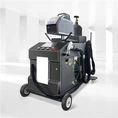
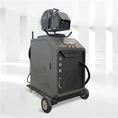
We all know that laser cutting machines excel at cutting carbon steel, stainless steel, and other metal plates. But when it comes to highly reflective materials like aluminum, can they still achieve a high-quality cutting effect? The answer is yes! Let's explore how laser cutting machines handle aluminum plates.

Understanding Aluminum Plates
Aluminum is one of the most widely used non-ferrous metals in industrial applications. Thanks to its lightweight, corrosion resistance, and excellent thermal conductivity, it is commonly used in aerospace, automotive manufacturing, electronics, and construction. However, aluminum's high reflectivity and thermal conductivity pose challenges for laser cutting, as the material tends to reflect laser energy rather than absorb it.
How Does a Laser Cutting Machine Cut Aluminum?
Just like cutting other metals, laser cutting aluminum requires the use of auxiliary gases. The choice of gas-typically nitrogen or compressed air-plays a crucial role in cutting quality.
- Nitrogen (N₂) Cutting: High-purity nitrogen (99.9% or higher) is often used to prevent oxidation during cutting, ensuring clean, burr-free edges. The higher the nitrogen purity, the smoother the cut surface.
- Compressed Air Cutting: A more cost-effective option, compressed air can also be used for thinner aluminum sheets, though it may result in slight oxidation on the edges.
Additionally, fiber laser cutting machines are particularly well-suited for aluminum processing due to their high beam quality and energy absorption efficiency. By selecting the appropriate laser power (typically higher for thicker plates), adjusting cutting speed, and optimizing gas pressure, laser cutting machines can achieve precise and efficient cuts on aluminum sheets.
Key Considerations for Cutting Aluminum
- Laser Power & Speed: Higher power is required for thicker aluminum plates, while cutting speed must be balanced to avoid excessive melting or poor edge quality.
- Nozzle Selection: A specialized nozzle design helps maintain stable gas flow, reducing slag and improving cut quality.
- Focus Position: Proper focal point adjustment ensures optimal energy concentration for a clean cut.
- Material Thickness: While laser cutting is effective for thin to medium-thickness aluminum (typically up to 15-20mm, depending on the machine's power), extremely thick plates may require alternative methods like plasma or waterjet cutting.
Conclusion
Whether it's highly reflective materials like aluminum or other challenging metals, modern laser cutting machines-equipped with the right parameters and cutting techniques-can deliver excellent results. Aluminum, despite its reflective properties, can be cut efficiently with fiber lasers, making them indispensable in industries that demand precision and efficiency.
If you'd like to learn more about laser cutting techniques for different materials, feel free to contact us rayther@raytherlasercutter.com for professional advice!
-- Rayther Laser Allen Wang
https://www.raytherlasercutter.com/laser-cutting-machine/fiber-laser-cutting-machine.html